
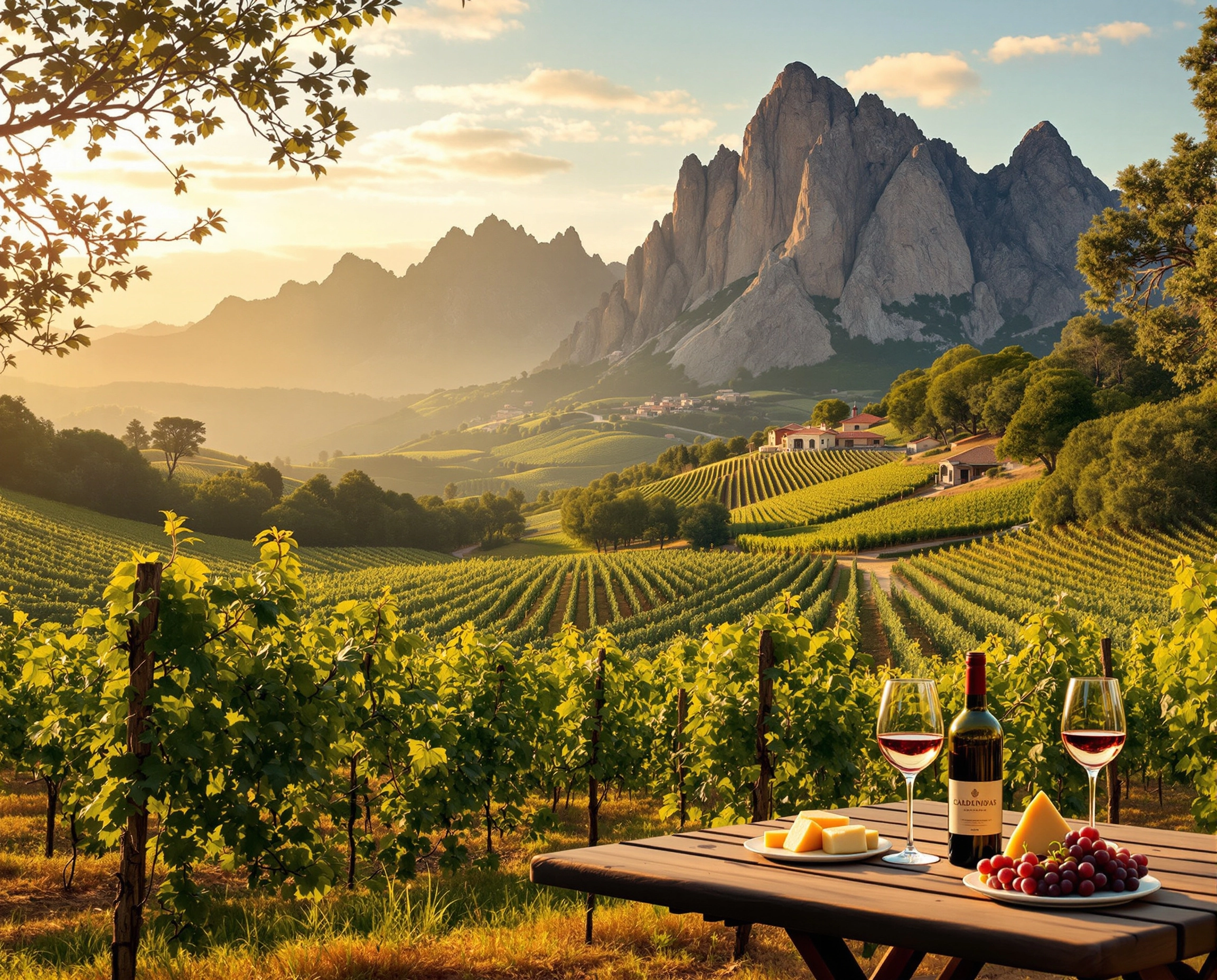

Some journeys begin with a museum you want to see. Others, with a meal you have yet to taste. A bottle opened where the wine was made, an ingredient discovered at its source or a recipe that only truly makes sense once you know where it comes from can be reason enough to travel. That is where many of the best gastronomic holidays in Europe begin: with the idea that taste is not simply part of the journey, but a way of understanding the destination itself.
At ActivTours®, we look beyond lists of restaurants and wine tastings when designing Food & Wine experiences. A well-crafted journey connects gastronomy with place, people and season. Sometimes that means a winery in Piedmont. At other times, a market in Bologna, lunch at a quinta in the Douro Valley or a table in a Transylvanian village.
What turns a holiday into a Food & Wine experience?
Eating well while travelling and travelling for food are not quite the same thing.
A Food & Wine experience begins when what is on your plate or in your glass helps you understand where you are: meeting a producer, visiting a vineyard, discovering a local market or booking a restaurant worth adjusting your itinerary for.
Season matters too. The grape harvest, truffle season or ingredients available for only a few weeks each year can completely change the experience of a region.
And the most interesting gastronomic destination is not necessarily the one with the most awarded restaurants. It is one where there is a genuine connection between taste, place and culture.
7 destinations for a Food & Wine holiday in Europe
We have chosen regions where gastronomy can become the thread running through the entire journey. Some are renowned for their wines, others for their produce and culinary traditions, while a few combine both with landscapes and cities that are worth the journey in their own right. This is not a ranking, but seven different ways to discover Europe through taste.
Tuscany, Italy — wine, landscape and country cooking
The roads between vineyards, the hills of Chianti and the estates surrounding Montalcino and Montepulciano are as much a part of the experience as the tasting itself. One carefully chosen winery and a few nights at a characterful property can reveal more about Tuscany than an itinerary crowded with stops. For a closer look at the region, explore our guide to the flavours, wines and villages that define Tuscany.
Emilia-Romagna, Italy — when local produce becomes heritage
Bologna, Modena and Parma form one of Europe’s great gastronomic regions. Parmigiano Reggiano, Prosciutto di Parma, traditional balsamic vinegar and fresh pasta are far more than familiar names on a menu. A morning visit to a caseificio while Parmigiano Reggiano is being made changes your perspective on the time, technique and craftsmanship behind an apparently familiar product.
Piedmont, Italy — Barolo, truffles and understated elegance
The Langhe offers a different interpretation of classic Italy. Barolo and Barbaresco shape the identity of its vineyards, while Alba becomes a gastronomic landmark during white truffle season. Piedmont rewards a more selective approach: a winery worth visiting, a memorable meal and the roads winding through the Langhe hills.
Basque Country & Rioja, Spain — from pintxos to vineyards
In San Sebastián, gastronomy moves effortlessly from pintxos to some of Europe’s most sophisticated dining experiences. Rioja then changes the setting, with bodegas, vineyards and villages where wine is integral to the region’s identity. Together, they create an itinerary in which food and wine complement each other naturally.
Bordeaux & Saint-Émilion, France — wine as an expression of place
You do not need to turn Bordeaux into a lesson in classifications to appreciate it. The city can be combined with Saint-Émilion and wine estates of very different styles. Selection matters: two meaningful visits can reveal far more than five wineries squeezed into a single day.
Porto & the Douro Valley, Portugal — when wine shapes the landscape
Porto and the Douro work beautifully together because they offer different perspectives. In the city, you encounter Portuguese gastronomy and the culture surrounding Port wine; in the valley, terraced vineyards become part of the experience itself. The Douro can be explored by train, boat or road, while the right quinta can become the focal point of the journey.
Transylvania, Romania — a food culture worth discovering
Between Sibiu, the Saxon villages and the vineyards of central Transylvania, a journey can lead you to small producers, regional ingredients, Romanian wines and properties with a genuine connection to their surroundings. Tradition does not need to be turned into a performance to make it interesting. Sometimes the table, the host and the landscape tell the story of a region together.
How do you choose the right destination for gastronomic holidays in Europe?
If gastronomic holidays in Europe appeal to you, do not necessarily start with the country. Start with the experience you want to have.
For wine and landscape, Tuscany, Bordeaux and the Douro offer very different interpretations. For produce and makers, Emilia-Romagna is difficult to overlook. Piedmont combines important wines with understated elegance, the Basque Country brings together urban energy and gastronomy, while Transylvania offers the pleasure of discovering something less familiar.
Season, length of stay and budget then come into play. A four-day Food & Wine break should not simply be a compressed version of a week-long journey.
A great gastronomic holiday is built around the experiences
You do not always build the itinerary first and then decide where to eat. Sometimes you choose the experiences worth travelling for and build the journey around them.
An important restaurant reservation, a private winery visit or the season of a particular ingredient can determine the order of the trip.
This is where curation matters. Through EVOKE by ActivTours®, we can bring together hotels, transport and gastronomic experiences in an itinerary shaped around how you want to discover a destination. EVOKE can include wine tastings, food tours, cooking workshops and other carefully selected local experiences.
Frequently asked questions about gastronomic holidays in Europe
What are the best Food & Wine destinations in Europe?
Tuscany, Piedmont, Emilia-Romagna, Bordeaux, Rioja, the Douro Valley and Transylvania each have a distinctive gastronomic identity. The right choice depends on what matters most to you: wine, regional cuisine, local producers or urban food experiences.
When is the best time for a gastronomic holiday in Europe?
It depends on the region. Autumn is particularly rewarding in many wine regions and for seasonal ingredients such as truffles, while spring and early summer bring different produce and culinary experiences.
How many days do you need for a Food & Wine holiday?
For a single region, around 4–7 days usually allows a good balance between tastings, dining, exploring and unstructured time.
Do you need to know about wine to enjoy a Food & Wine holiday?
No. A well-chosen experience should begin with your curiosity and preferences, not your level of knowledge. A good tasting should help you discover, not test you.
When taste becomes part of the journey
A memorable gastronomic holiday is not measured by the number of restaurant reservations or wineries visited. What matters is what you come to understand about a place through what you taste and the people you meet.
Thinking about a Food & Wine holiday? Tell us when you would like to travel, how much time you have and what you would like to discover — from vineyards and local producers to regional cuisine and carefully selected restaurants. We can shape the route, accommodation and experiences around the way you want to travel and your available budget.
Request your personalised ActivTours® recommendation.
For new travel ideas, recommendations and inspiration from ActivTours®, follow our WhatsApp Channel and discover ActivTours® on Linktree.
ActivTours® | WE THINK DIFFERENTLY.
We don’t sell online. We carefully curate your travel experiences.
Amélie helps you find your way. We take care of the rest. You enjoy the journey.
